Tuesday, November 21, 2023

Multiplication Escape Room and a Circus Classroom Transformation

Over the past couple of years I have done several escape rooms and they have always be a fun learning experience and great way to gamify my classroom. I decided that I wanted to try to create my own circus/carnival themed escape room, and I decided to call it Escape to the Circus because once students finished all the challenges in the game, which was circus themed, they would earn tickets to play carnival games for added fun. Here's how I set it all up.

Circus Classroom Transformation

Many years ago, I would create a new elaborate theme each year for my classroom. One of those years, I created a circus theme because we were learning about the five regions of the US, and since the circus travels the US, this was a perfect theme. I created a circus reading tent and banners and found some cute circus seating at IKEA and that year, Target also had some circus pieces I could add as decor. After creating it all and using it for that year, I packed it all away to use in the future for classroom transformations. I have used it a time or two since, but not for several years. I knew I wanted to pull this out to use with my escape room. That was the main reason I created a circus/carnival theme. The only decor item I purchased this time was the red and white backdrop, which is really a set of three table cloths that I found on Amazon for pretty cheap. I put some circus music on in the background, and the circus vibe was coming together. 


Aligning the Curriculum

Aligning the curriculum was super easy. The hard part for me was that I had to create three versions of each game because I teach in a multi-grade classroom with grades 3-5. Because I had all those grades, I needed a different level of math for each grade level, but I wanted all the grades in my classroom to be able to play the game. 

Since we were just finishing up our units on multiplication, I knew that my topic for this escape room would be multiplication. I would just level up each challenge for an easy, medium, and hard. So for third grade, I kept the challenges easy with basic multiplication facts using two and even three factors. For the fourth grade challenges, I took it up a notch. The fourth grade level included skills like multiplying with powers of ten, multiplying double digits with estimation, and multiplying double digits. For the fifth grade, the skills I focused on were multiplication of decimals using powers of ten, multiplying decimals with estimation, and multiplying decimals. These skills covered most of what we learned during the multiplication units in our actual curriculum. 

Building the Challenges

I decided to do four challenges for my escape room. Each challenge would reveal a secret code word or phrase that was related to the circus. 

In challenge one, students were give an envelope with a puzzle that was precut. The puzzle was easy to prep because I created the puzzle with rectangular shapes only. The goal was to match all the equations to the products. Once all products were in place, letters lined up to create a mystery phrase. I created a foldable where students could write the secret code. Because there were no spaces between the letters in the puzzles, students did not understand the secret code until they started writing it in the blanks in their foldables. This made it even more fun. 


For challenge two, students were given a sheet of 12 math equations that were already answered. The trick was that they had to decide which were true and which were false. Once they found all the ture equations, they used rubber ducks (I also made paper ones as an option) to reveal the code. I wrote a number on the back of each duck, and underneath I wrote  letter. The students would use the numbered ducks that matched the true problems. Once they put those in order, they looked on the duck and found a letter. When the ducks were lined up in numerical order, it revealed a secret word. 


In challenge three, students received a set of circus train cards. Each card had an equation that had to be solved. Once they were solved, the products were put in order from least to greatest to form the circus train. Each train car had a letter on top and when placed in the correct order, the code was revealed. 


For the final challenge, number four, students were able to play a short game of memory match. Once the cards were matched, the letters were written in the order of the card numbers. As an alternative, Students did not have to play memory match (if time was short) instead, they simply matched the card with the equation to the product to find the code. 


Launching the Escape Room

To launch the Escape room, students entered the room to see the circus decor and heard the circus music playing. They each received the foldable, and inside was a letter that I read to them. It welcomed them to the challenge and asked them to complete four challenges to escape to the circus. The students were so excited. Right afterwards, they received their first challenge. We did the challenges with partners, but this could definitely be done individually or even in small groups. I personally preferred the partnerships because it allowed the students to work with someone else to get through the challenges. I think it could work in small groups, but sometimes there is a teammate who sits back while others do the work. In partnerships, that seems less likely to happen.


Playing the Game

As challenges were completed, students each received a game ticket. These were saved to be used after all the challenges were completed. An extra game ticket was given to the team who finished first. It took about two to two and a half hours to complete the challenges. Our math block is about two hours, so it was pretty good, we just finished and let it run into one of the other classes. We adjusted everything else to finish. This could be used over the course of 1 day, two days, or even four days if you did just one challenge a day. The first challenge seemed to take the longest for all of my teams. 

Escape to the Circus

Once the teams completed all the challenges, they escaped to the circus. This meant that they could use their game tickets to play carnival-style games. I set up easy games using what I had and what I could borrow from other teachers in my building. Here are the games I used.

1. Basketball: A teacher friend of mine had a basketball game that clips onto the whiteboard. There were four basketballs that came with this, so the students could each get four tries. If they made one basket, it was a win and they received a prize.

2. Balloon Nerf Game: I blew up several balloons and taped them on a whiteboard. Students had to shoot one balloon with the Nerf gun. There were two foam bullets, so the students each got two tries to win. If they won, they collected a prize.

3. Bowling: A couple of years ago, I purchased a plastic bowling game from Hobby Lobby after the season for 1/2 off. I think I spent ten dollars. We used this for one of the games. It came with two balls, so each student got two tries. To win they had to knock down at least 3 pins. 

4. Ring Toss: My school has a ring toss game, so I used that for another game. In this version, the rings were each numbered with a certain amount of points. Students had many tries (maybe 8-10) to earn 60 points total. 

5. Pong Ball: In this game, I set up Dixie cups and each student had three ping pong balls. They had to toss the balls and land at least one in a cup to win. 

Prizes

For each game the students won, they received a prize. I purchased different prizes from Dollar Tree. I had popcorn...which was very popular, candies, and cookies, and some drinks too. You could also use other non-food prizes such as stickers, toys, games, pencils, erasers, etc. 

This game was so much fun and I cannot wait to create another escape room for my next unit on division. I am already planning an under-the-sea version. 

If you are interested in trying this Escape to the Circus escape room in your classroom, be sure to check out my resource on TPT. The work is already done for you. Your class will have so much fun! Click on the picture below to find out more and purchase. 


Wednesday, November 8, 2023

4 Super Simple Thanksgiving Activities to Use with Your Class


I just realized we are about two weeks away from Thanksgiving break and while I feel ready, it also made me panic a little bit when I thought about all the things I need to and want to do, before then, with my students.

In the midst of all the have-to's , I also like to throw in a few fun activities that tie into the holidays. Activities like this get students excited. One of my favorite things to do is teach my kids the history behind the holidays and these are some of my favorite activities to help with that.

1. Turkey Pardoning Courtroom Simulation:

After reading about the tradition of turkeys receiving a presidential pardon (I love the book: Thanksgiving in the White House. Another book that ties into this tradition is called Pardon that Turkey.), we talk about how the tradition came to be.

Once students learn about the tradition, it is time for even more fun! Students receive a turkey template that they use to create a costume for their turkey. Once the turkey has been "costumed" students write a persuasive essay about why their turkey should be pardoned from the dinner table. Students come before the judge (the teacher) in a courtroom simulation where they must defend their turkey in front of a panel of their peers. The peers will decide whether they believe there is reasonable cause to save the turkey...or not. The judge has the final say. It is so much fun and the students take their writing seriously. This is one of my favorite activities for Thanksgiving time. Click here if you are interested in this resource.


Me in my judge's robe...(my graduation robe) ready to judge some turkeys.

2. Macy's Day Parade:
Another book I love to share at Thanksgiving is Balloons Over Broadway. With this book we do comprehension activities, of course, but we also study puppets and create some of our own. We make foil balloons for the Macy's Parade. I love everything about this activity! Check it out over here.


3. One thing I love about the holidays is all of the traditions. But how much do you know about the different traditions? I wanted to teach my students where the traditions we celebrate with came from. I created a series of comprehension passages in a series of resources called The History Behind the Holidays. These different holiday booklets focus on different traditions and students practice reading comprehension at the same time. Students are then able to extend learning with some holiday themed extension activities based on the specific featured holidays. In my Thanksgiving resource I feature:
Thanksgiving around the World
Who Gave us Thanksgiving
Turkey Pardoning
Thanksgiving Feasting
Please Pass the Pie
Thankfulness and your Brain
Fun Facts


4. Art Chopped Challenge:
Have you ever seen the cooking show Chopped? I enjoy watching it. Contestants are given a basket of food items that they have to use in a recipe that will knock the judges' socks off. It is entertaining to see how they come up with unique and savory dishes.

I love doing an activity that is a spin off of this popular TV show. In this art-twist challenge, students are placed in groups. Each group receives a bag of art supplies and a theme to create a piece of artwork to wow me...the judge. Students compete with other teams in three different Thanksgiving challenges. This is a fun way to bring some art into the classroom during the holidays and also work on teambuilding in a fun competition. You can see this resource here.


Making the holidays special in the classroom, is just as important as making them special at home. I love finding unique ways to bring the joy to my class every holiday season. What are your plans this Thanksgiving?

~April

Tuesday, October 10, 2023

Five Engaging Ways to Practice Multiplication Math Facts

Do you ever imagine how life would be different if students actually WANTED to practice their math skills? What would motivate a student to learn their times tables? Mastering multiplication facts does not have to be a chore. It does not have to be boring! I am about to show you my favorite tips for getting those math facts stuck in your students' heads without coercion, threats, or begging. 

Gamify your Multiplication Facts

Nothing gets students more excited in class than actually getting to play. Sometimes students don't even realize they are learning or practicing when they are having fun doing it. Bring in the games. Let your students play with numbers. Play takes the heat off of them. It allows students to explore numbers in an engaging way. Games bring in competition and motivate students to get better so they can do better in whatever game they are playing. Playing multiplication games, or any academic game, allows students to build relationships with other students in the classroom as well. It's like the old adage, the family that plays together, stays together. Well, the same can be true for the classroom. Students will look forward to spending that time together, even if they are learning. They are interacting and having a great time learning all their facts. 


I always get a chuckle out of my students when I hear them say, today was so fun, all we did was play. Well, it may have felt like all they did was play, but it was very real and important work. Play, after all, is the work of childhood. 


Practice your Multiplication Facts

There's no getting away from it, a student who wants to learn his or her multiplication tables needs to put in the practice. Practice can look different, but students will need consistent practice.  Practice can take many forms, even as mentioned above, in the form of games. Here are some ways I love to have my students practice.

  • Multiplication Games: This has already been stated, but it is worth saying again...students love games. If a child can practice in an engaging and fun way, DO IT! I have made tons of games over the year from War to Connect 4, from different themed games for every month, to my Spy Academy Games...I can easily keep my students engaged and set up with games. 


  • Times Tables Partner Fluency Practice: Practicing with a partner always makes it more fun. In this practice, I like to allow one student to be the teacher, and the other becomes the student. Everyone likes to play the role of teacher and this activity capitalizes on that! I give the "student" a list of facts, without the answers, to a certain set. The "teacher" has the same list, except it has answers also listed. The student begins with a one minute timer, reading off his/her facts, one at a time and telling the answer. The teacher watches the answer key. If the student gets an answer wrong or doesn't know it, the teacher will tell them the whole fact, including the answer. The student must then stop, read the fact and answer three times, and then continue on through the list. The student will continue reading and rereading the list as many times as possible before they run out of time on the one-minute timer. 

  • Kinesthetic Fact Practice: Kids were not made to sit still, and fact practice does not have to be another seat-bound time of the day. Using simple decks of multiplication facts, here are a couple of suggestions to bring the movement into your math class. First, try the game around the world. All students stand. Two students stand side-by-side. One fact is read by the teacher. The first two student try be the fist to answer the question. The first to answer, moves on to stand by the next student. The other student is out and must sit back down.  Play continues until one player, the winner, is left. Second, try this fun game. Students are divided into two groups. Have both groups line up on one side of a play area or gym. The other side of the play area or gym has math fact cards. The teacher will stand in the middle. On "Go!" one student from each team will race to the other side of the play area, grab a fact card and go to the middle to read and answer it. If he/she gets it correct, he/she keeps the card and tags the next person in line, who runs after a fact card. If the student answers incorrectly or doesn't know the answer, he/she goes back to his/her team and consults with them. Once he/she has the answer, he/she will go back to the teacher to share the correct answer before tagging the next player on the team. The team who answers all their cards first wins. 

  • Speed Drills for Math Facts: I know what you are thinking....not every kid likes speed drills. You would be 100% correct in saying that, but as a teacher, I want to bring a variety of methods for practicing math facts, and speed drills can pack a powerful punch. I do not leave them out. Many students do love the thrill of trying to beat that one minute timer. They like tracking their progress from day to day. They like completing different levels. It feels like a game to many students. This is a powerful way to help students learn automaticity, which they will need to have when moving into higher math levels. Don't skip these. They still have value. 

  • Fact Card Practice for Multiplication: Admittedly, I do not use these as frequently as some of the other options, but I do love fact cards for sending home. Many times, parents do not have the training to come up with fun games and activities, yet they need a way to practice with their children. Fact cards are an easy answer to what you can send home for student practice. Fact cards can be basic, like a flash card that you simply drill someone with. Fact cards can be more fun like when using the kinesthetic pat-down cards. These cards have students tapping and crossing the midline. The movement helps to stimulate another area in the brain for higher engagement and retention of facts. There is definitely a place for fact cards in your plans for memorizing the times tables.

Make Time for Committing your Multiplication Facts to Memory

It will take some time and effort, but students do have the ability to master their facts. It will take a bit of time. I usually allow a few minutes (maybe 5) at the start of class to practice the facts in some way. I always do a speed drill, but if time allows, another quick activity is nice to use as well. While I am working in small groups, I also like to use my math centers to rotate students through games and other activities that will force them to practice their times tables. I do 3 rotations for math, when I am meeting with another group, students have certain things they are required to do. Practicing math facts for multiplication is one of them.   I have many different games for students to choose from. Students can also work on other activities as well. Some days I may assign a certain activity. Other days  I let students have complete autonomy. 


In conclusion:

Students need practice to learn their times tables, and lots of it. Make it enjoyable whenever possible. Allow students to work with friends. Set up game choices. Make it a team effort between school and home. Give students options so they feel that they have some say over their learning. Stick with it, your students will learn their facts if you are consistent and allow them the time they need to practice.


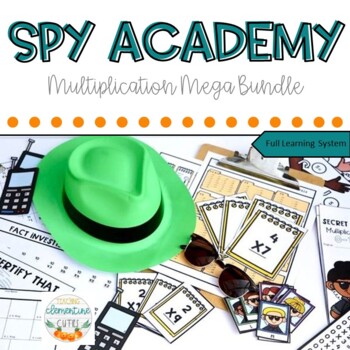
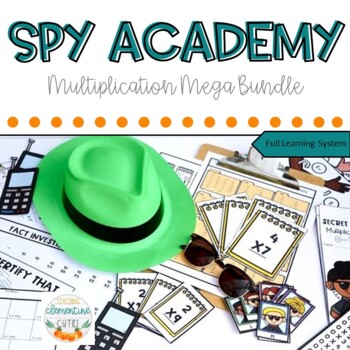
I have spent many years creating all sorts of math games specifically for multiplication. I even created a Spy Academy Multiplication themed bundle that has everything you need to help your students practice. 

There are lots of ideas you can use up above, but if you need help with games or activities, I can help you out with that. These games and bundles can save you a lot of time. They are pre-done for you. It makes it so easy to get set up and started. Check out some of these links below to  purchase. 


Thursday, October 5, 2023

Glow Day Meets Multiplication Spy Academy


Today was absolutely magical. I felt it before the first student entered my classroom. I had stayed a few minutes late yesterday afternoon to do a quick transformation of my room. It is one of my favorite go-to transformations through the years and always packs a powerful punch with engagement. I switch it up every year, which is a necessity since I work in a multi-grade classroom with three-four different grade levels. I have the same kids for at least three years, with a few new ones coming in. I love to keep the familiarity...they LOOK forward to it and are always asking when we will do it. I love the newness, because it keeps it from being the same old, same old from year to year for returning students.

Set the Stage to Engage


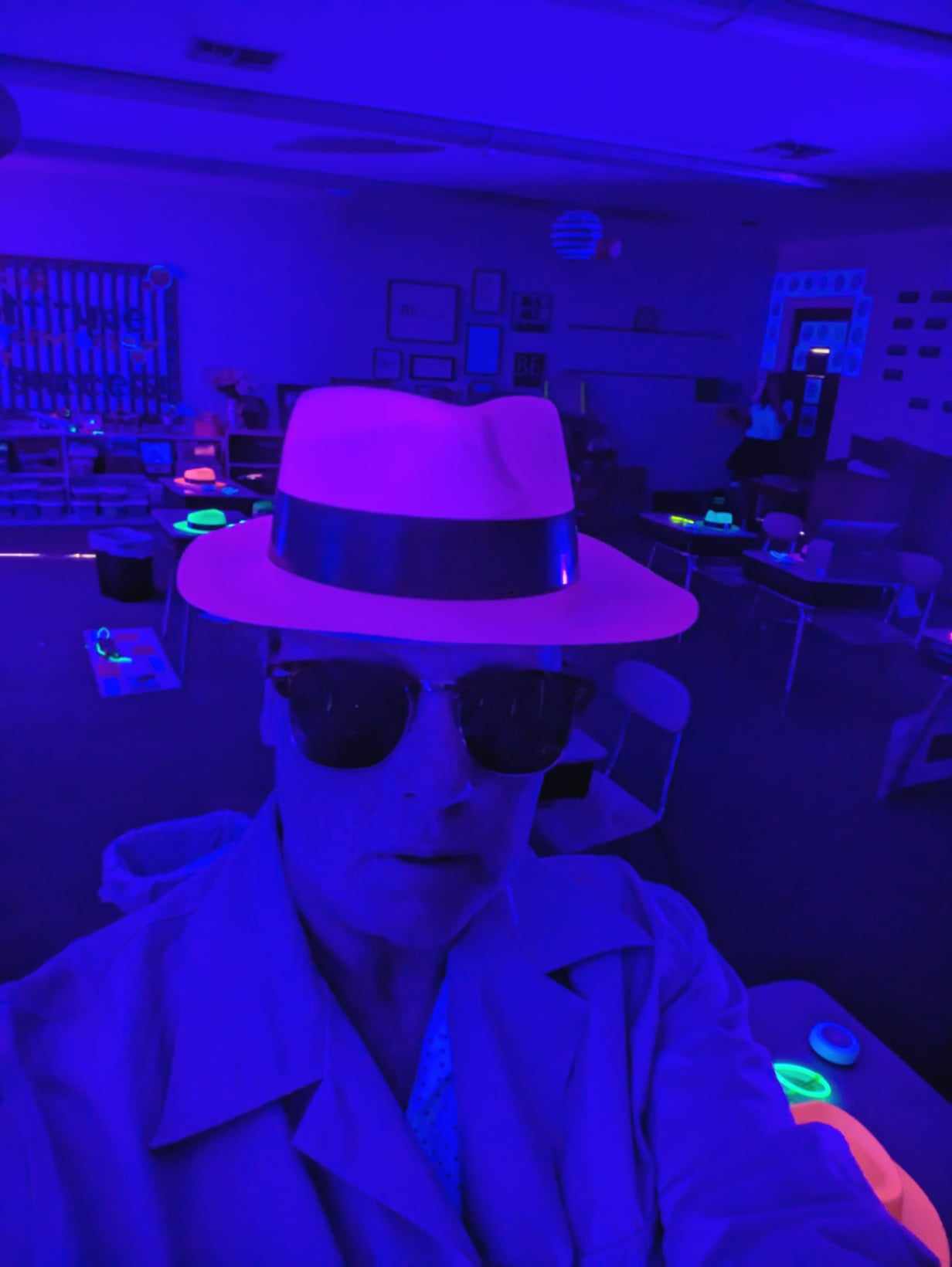
Let me describe the classroom scene for you. Think Spy Academy....I purchased a roll of black plastic to cover my windows and glass door, blocking out virtually all light. I plugged in my three strip black lights. I have used these for many years, so the $60 investment has been more than worth it. I added a neon spy hat and tap light (from Dollar Tree) to every desk. I use these from year-to-year and I believe I am on year 4-5 of using them. I also laid out a pair of glow glasses for each student. I got these in the Walmart party section. They came in packs of I believe four. I keep these to use from year-to- year and just change out the old glow sticks. Students always ask to keep the hats, lights, and glasses, and I always gently explain that I need these for other classes to enjoy. I do let them take the glow sticks at the end of the day. The whole set-up takes maybe 30-45 minutes, so it really is not a big investment to set the stage to engage my learners.

When I opened the door in full spy getup, students freak out. I downloaded an app and have them scan their finger for their day at our Multiplication Spy Academy. They get nervous to see if their fingerprints are accepted, but they have huge smiles on their faces as they enter the darkened classroom, glowing with pops of neon color. Students quickly put on their hats and glasses, tap on their lights and excitedly chat with friends while waiting to get started.

store post

For math, we did multiplication mania to launch our Multiplication Spy Academy. Spy Academy is a system I use to teach my students the multiplication tables, one set at a time. It is all around a spy theme, and starting with a spy themed glow day is just the thing to get them all excited about the learning they will be doing over the next weeks. If done well, students can learn the times tables in about 12 weeks...more about that in a minute.

Glow Day Meets Multiplication Spy Academy


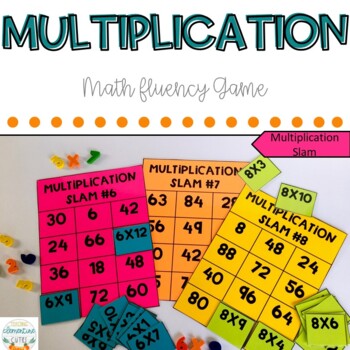
Today, I started with one of my multiplication games called slam. I handed each student a game board featuring a certain multiplication product from one of the sets from 1-12. Each desk had a different set. Along side each gameboard was a set of cards with multiplication facts for that set. I set a timer for one minute. Students were to lay the fact cards on top of the matching product as fast as they could. They were given one minute. Any student that completed their board slapped their desk, showing they were done. Students who were new to the multiplication tables were given a multiplication table chart to help them along. We rotated around the room, moving from desk to desk. By the end of the game, each student had been exposed to each of the facts.

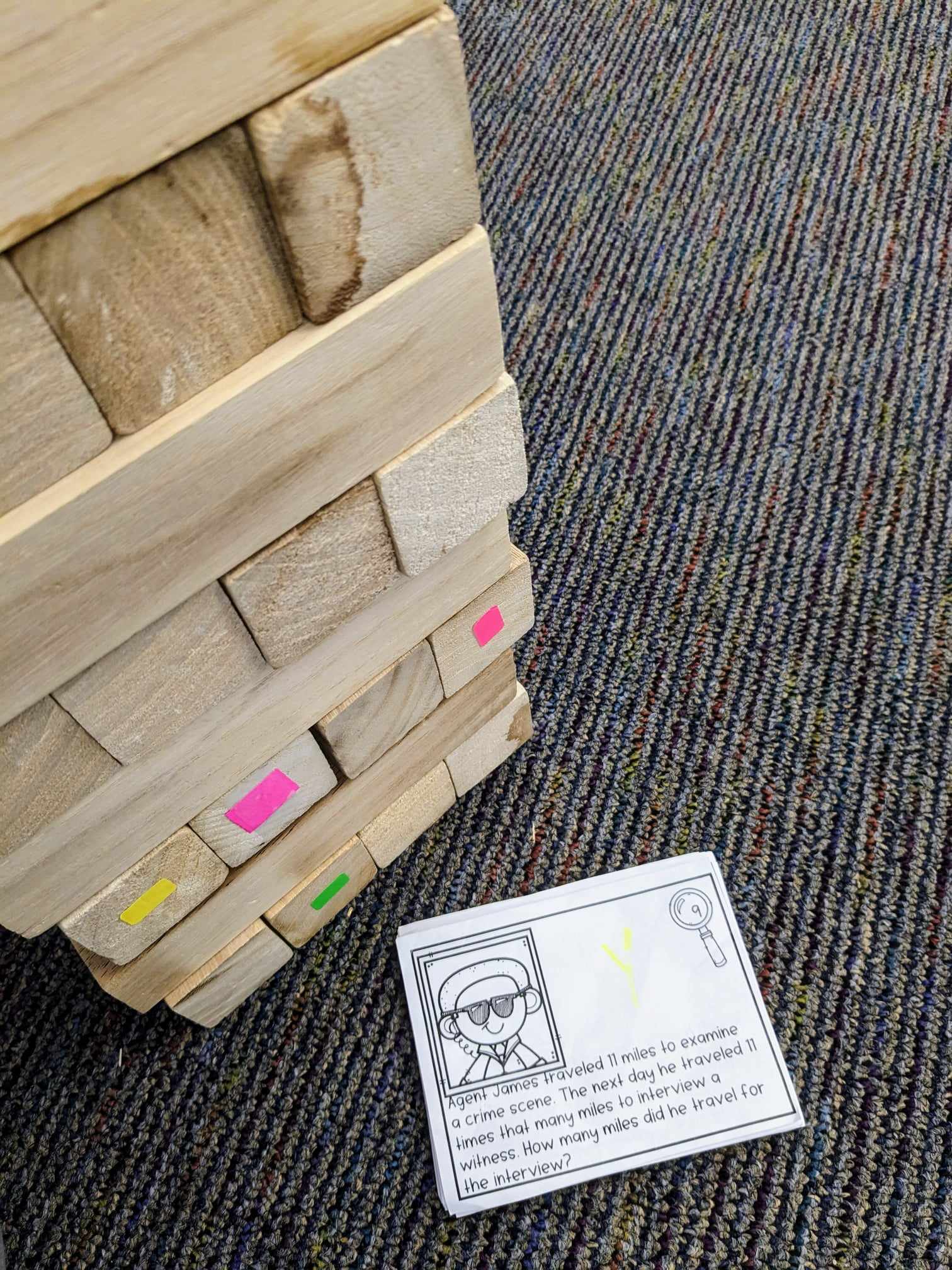
Afterwards, we rotated through 4 different game stations using some of my multiplication games. One station featured Spy Academy word problems along with a Jenga game. When students answered a question correctly, they pulled a certain color of Jenga block out and placed it up on top of the pile. Whoever knocked the tower down lost the game. They had so much fun with this one, always loving the loud crash.

store post

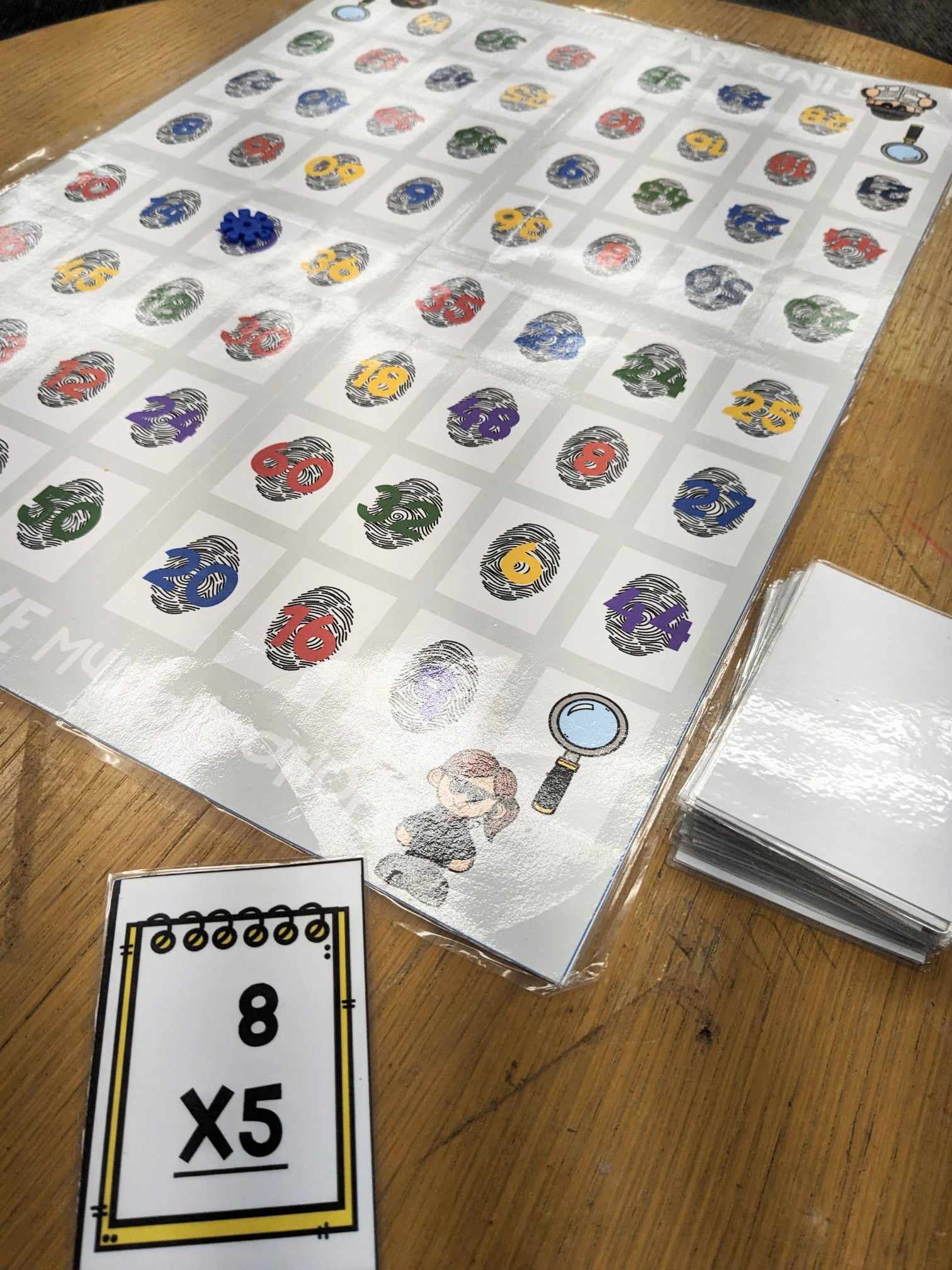
The next game was another Spy Academy favorite called Find Five. Students are given multiplication cards, their are also a few special cards that act as a wild...lay down a chip anywhere on the board, or remove one opponents chip. Students play on a large board covered with fingerprints and multiplication products. On their turn they examine their cards, choose one, find the answer on the board, and cover their spot. Whoever gets five in a row first wins.

store post

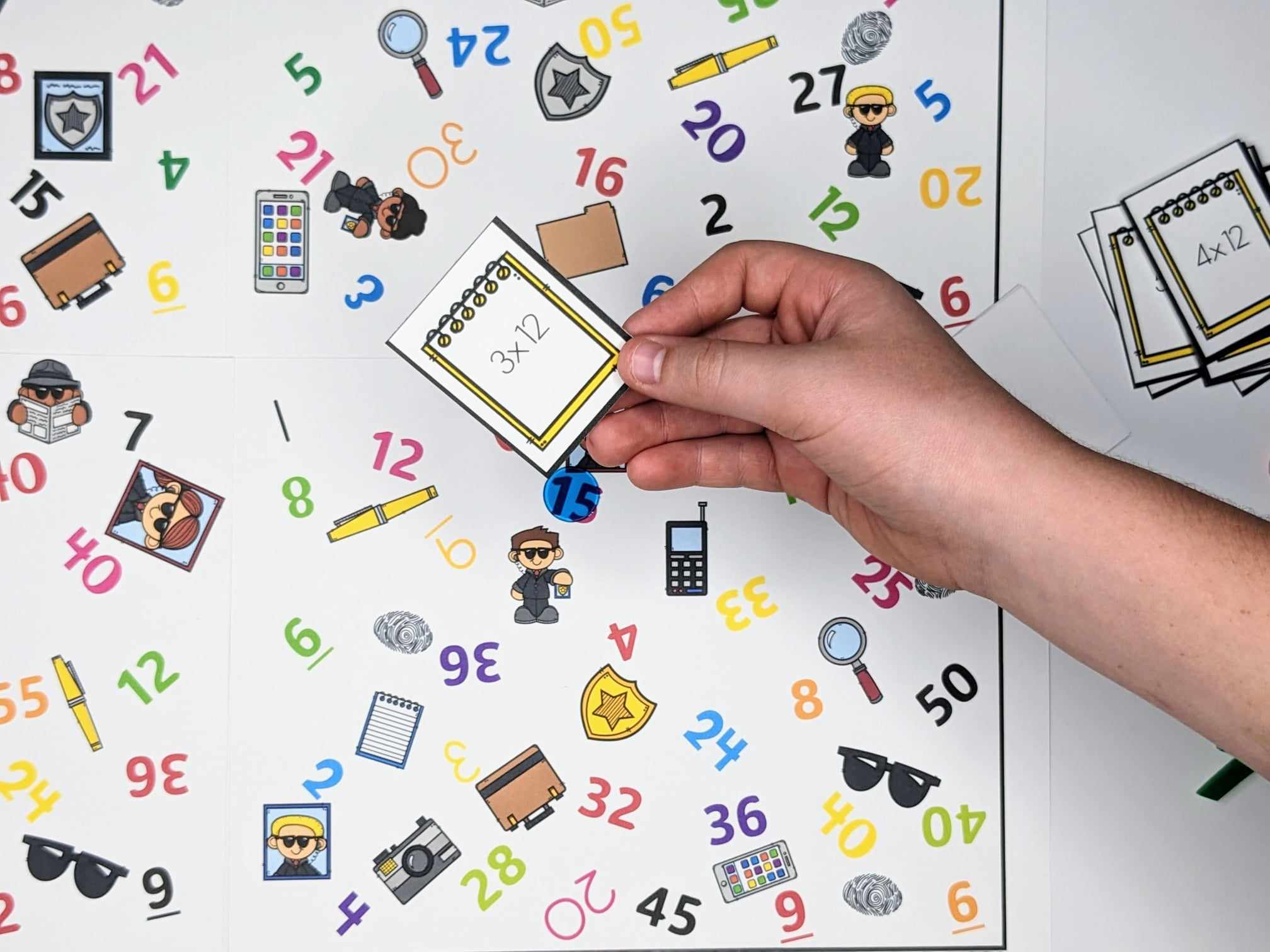
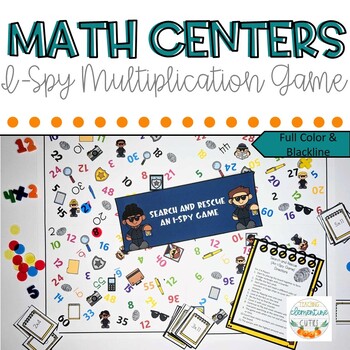
For the next game, we played the Spy Academy game called Search and Rescue I-Spy. It is an I-spy style game where students lay down a game board covered in colorful multiplication products and spy-themed clipart. Students take turns turning over a card showing a multiplication fact. All students look for the product on the board. The first to find it, shouts it out and covers it with their chip. Whoever is first to cover it wins the game. It it such a fast-paced, all-hands-on-deck game. I just love this new one!

store post

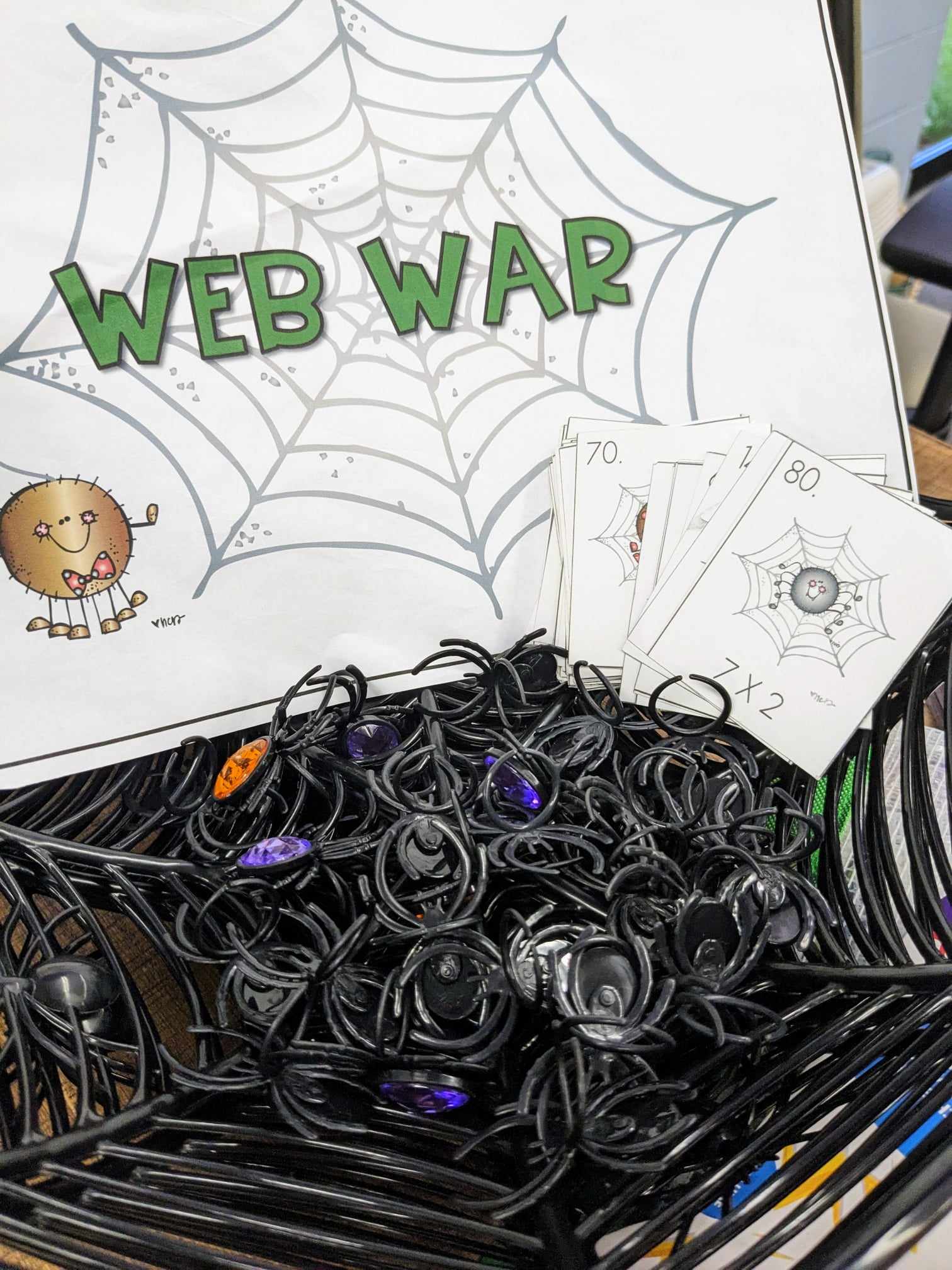
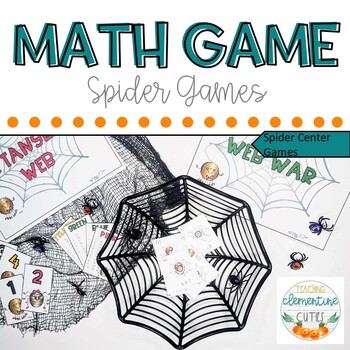
Our last game was not spy themed, but it was spider themed and since we are currently reading Charlotte's Web, I thought it would be a great add on. It is called Web Wars. It is a war style card game. Each student has a stack of cards. Each player flips the top one over at the same time. They each solve the Multiplication problem on their card and whoever has the highest amount collects a spider. We used spider rings and spider web candy dishes from Dollar Tree for this game. Students placed any spiders they earned in their web bowl. The one who collected five spiders first won the game.

store post

These games were such a fun way to kick off our Multiplication Spy Academy. Now tomorrow we will receive our Spy Academy challenges. We typically take about 12 weeks, plus a few for mixed review, to master our multiplication facts. I will give each student a fingerprint card. These are similar to what they use when the book criminals or when you get fingerprinted for a job. As students master a certain fact, they add that fingerprint to the card. They will also receive a special detective collector's card. Each card features a detective from Spy Academy and has a letter from a secret code. The code will only be solved when students earn all of the collector's cards by learning their multiplication facts from 0-12. Their are a lot of activities that I can use to help students with learning their facts and I created this system to help them be more successful while having fun with a spy-theme. I considered different learning styles in the making of this. We have kinesthetic ways to practice. There are interpersonal practice challenges. I have verbal drills as well. There are speed drills. There are cards to practice alone. There are games. There is so much that I try to incorporate that it is hard for a student not to succeed. Practicing everyday is also imperative to success. I ask parents to practice at home and try to send home tools to help them do this.

store post

Spy Academy

It's a big task for third grade, but it makes such a difference in the successes they have in math moving forward. Those who do not have a solid grasp of the times tables, will continue to struggle. It is just a fact...it slows students down. I know that there are different views currently about whether you should or should not have students memorize the facts, but I see the difference when they do, it is still important and worth while. I can still build understanding about the concept of multiplication while holding my students to the high standard of mastery of facts.

If you are interested in any of the activities I mentioned or Spy Academy, be sure to click here or check them out below.

store post

store post

store post

store post

You might also be interested in this fun coupon book for your students this fall. Spread a little love and let them know you appreciate their hard work this first quarter. It is filled with fun coupons for classroom privileges that are super cheap, but most are free.

store post